
Himalayan Giant · Lamjung & Myagdi, Nepal
Spring 2027 · The Inner Circle
Where the Himalayas Guard Their Sacred Gold
A single harvest per year from the cliff faces of Nepal. Wild honey no farm can produce, no lab can replicate. We are the last hands to bring it down.
Chapter I
The Origin
10,000Feet
above which the Rhododendron blooms.
Once a year, the mountains of Lamjung and Myagdi reveal what they have been guarding. Wild Rhododendron flowers bloom above ten thousand feet across the Himalayan highlands. They carry a rare compound in their nectar called Grayanotoxin.
Only one creature reaches them: Apis laboriosa, the giant Himalayan cliff bee, the largest honeybee on Earth. The honey it produces has no equal.
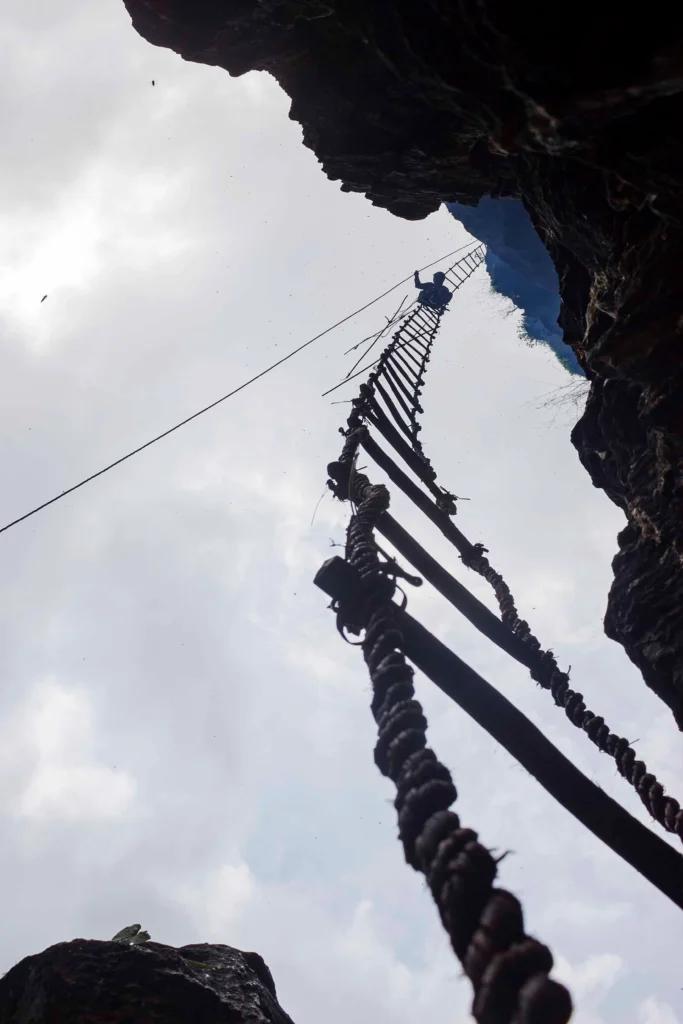
Today, Gurung hunters still harvest it the ancient way. They descend vertical cliff faces on handwoven rope ladders. No farms. No machines. No safety nets. Just men, rope, smoke, and mountain.
Chapter II
Numbers That Matter
Real measurements, not marketing.
Where the Rhododendron blooms.
High enough that only Apis laboriosa can reach the nectar.
Jars from the Spring 2026 harvest.
Every jar is now allocated. The next release opens in 2027.
One harvest season.
Bloom lasts three to six weeks. The mountain decides when.
Direct trade with the hunters.
No middlemen. Payment at the time of harvest. Above local market rate.
Chapter III
Two Thousand Years of Records
Mad honey is not folklore. Its effects have been documented by Greek mercenaries, Roman armies, Ottoman merchants, and modern pharmacology.
401BC
Xenophon's Anabasis
Greek mercenaries retreating through Pontus consume wild honeycomb. Thousands collapse: vomiting, disoriented, unable to stand.
Source: Xenophon, Anabasis, Book IV
67BC
The Pontic Trap
Forces in modern-day Turkey place mad honey along Roman supply routes. Three squadrons of Pompey's soldiers are incapacitated and killed.
Source: Strabo, Geographica, Book XII
18c
Ottoman Trade
Mad honey, called deli bal, becomes a regulated trade commodity in the Black Sea region, exported across Europe.
Source: Historical trade records
Now
Scientific Study
Grayanotoxin's mechanism of action on sodium channels is documented in modern pharmacology.
Source: Various peer-reviewed journals
Chapter IV
“We do not take from the mountain. We ask permission. The bees decide whether we are worthy.”
The Gurung & Magar Honey Hunters
The Gurung and Magar people are the only community on Earth that harvests mad honey from Himalayan cliff faces. No harnesses. No machines. Just rope, smoke, and a tradition passed from father to son for generations.
Lead Hunter, 52 years of age, 35 years climbing.
Chapter V
The Sacred Protocol
To consume carelessly is to waste what men risked their lives to gather.
Prepare
Set the Scene
This is not honey you spread on toast. This is a once-a-year harvest from the edge of the world. Treat the experience accordingly.
- · Choose a calm, comfortable space
- · Set aside 2 to 3 unhurried hours
- · Have water and light food nearby
- · A trusted companion is recommended for first-time tasters
Measure
Begin With Respect
More is not better. The hunters risk their lives for every drop. Honor that.
- · First time: start with one quarter teaspoon (2 to 3 grams)
- · Wait 45 to 60 minutes before considering more
- · Familiar users: half to 1 teaspoon maximum
- · Never exceed 1 tablespoon (15 grams) in 24 hours
Taste
Let It Speak
Place directly on tongue. Let it dissolve slowly. Do not mix or dilute on first experience.
- · Sweet floral notes arrive first
- · A distinct bitter undertone follows. This is the Rhododendron.
- · Slight tingling on the tongue and throat
- · The taste profile is unlike any honey you have encountered
Observe
Listen to Your Body
Every individual experience is different. There is no correct response, only yours.
- · A gentle warmth is commonly reported
- · Some describe a softening of tension
- · Effects, if any, emerge within 30 to 60 minutes
- · The experience naturally fades over 2 to 4 hours. Stay hydrated.
Important Safety Information
Do not consume if you have heart conditions, low blood pressure, or are taking certain medications. Effects typically last 2 to 6 hours. Never exceed one tablespoon in 24 hours. Consult a healthcare provider before consumption.
Read Complete Safety GuideChapter VI
The Spring 2026 Harvest
350
Jars · All Allocated · Spring 2026
All 350 jars from our Spring 2026 harvest have been fully allocated. Every jar ships with a hand-filled harvest card and a QR code linking to the raw, uncut footage of the exact harvest your honey came from.
The next harvest season will take place in Spring 2027. We will announce pre-order availability once harvesting dates and allocation numbers are confirmed.
Request Spring 2027 Access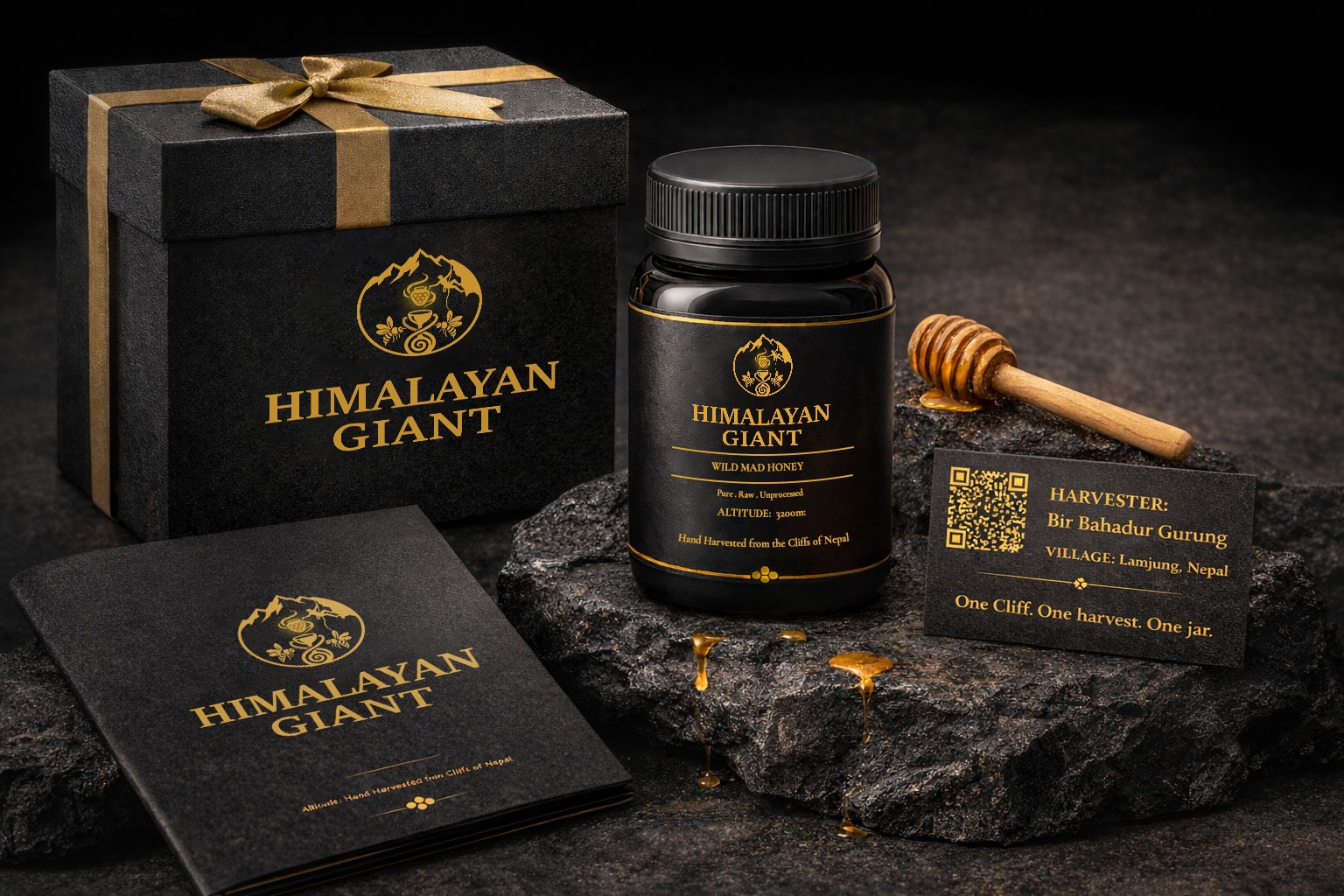
Bir Bahadur Gurung, Village: Lamjung. One cliff. One harvest. One jar.
Chapter VII
The Science
Understanding Grayanotoxin and Mad Honey
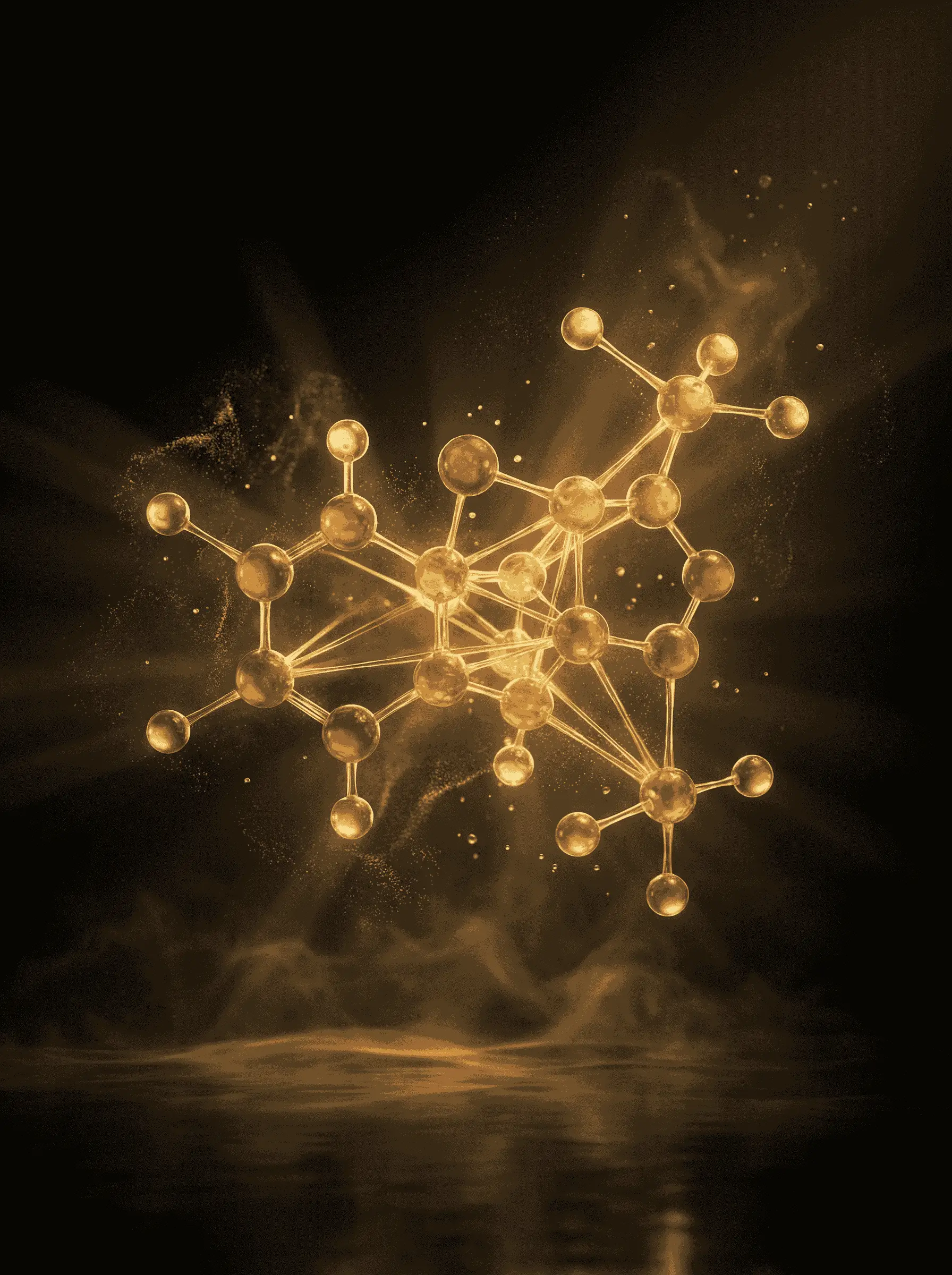
- Chemical Formula
- C₂₂H₃₆O₇
- Molecular Weight
- 412.52 g/mol
- Classification
- Diterpene polyol
- Found in Nectar of
- Specific Rhododendron species
Grayanotoxin binds to voltage-gated sodium channels in cell membranes, modifying their normal function. The effects are dose-dependent. This is why the Sacred Protocol exists. This is why mad honey cannot be commercially produced.
Chapter VIII
Apis laboriosa, the world's largest honeybee
Unlike commercial honeybees (Apis mellifera), the giant cliff bee cannot be domesticated, farmed, or relocated. Their colonies exist only in the wild, building massive single-comb nests on sheer cliff faces exposed to open air.
6,000+
Habitat floor (ft)
10,000+
Habitat ceiling (ft)
14,000
Foraging range (ft)
3 to 6
Weeks of bloom per year
This is why mad honey cannot be commercially produced.
Chapter IX
Before Your First Jar
The questions we hear most. If yours is not here, the complete FAQ page is at the link.
What is mad honey?
Mad honey is a rare type of honey made by wild Himalayan giant honeybees, a species called Apis laboriosa, that feed on the nectar of Rhododendron flowers growing at high altitudes in Nepal. The nectar contains a naturally occurring compound called grayanotoxin, which gets carried into the honey by the bees. It is not a manufactured product. It cannot be replicated in a lab.
Is mad honey safe to eat?
Yes, when consumed responsibly and in appropriate doses. The key is dosage. A small amount produces subtle, gentle effects. Too much can cause discomfort, including dizziness, nausea, and drops in blood pressure. The difference between a pleasant experience and an unpleasant one is measured in teaspoons.
Is mad honey legal?
Himalayan Giant Mad Honey is generally classified as a natural honey product and is not a controlled substance in most countries. We ship directly from Nepal with proper export documentation. Customers are responsible check for their local laws and customs requirements before ordering.
What does mad honey feel like?
Individual responses vary, and we are honest about that. Commonly reported experiences at appropriate doses include a gentle warmth spreading through the body, a feeling of physical relaxation, a softening of tension, and a general sense of calm. This is not something that hits you over the head. It is something you notice when you pay attention.
How much mad honey should I take?
Start with one quarter teaspoon, roughly 2 to 3 grams. Place it on your tongue, let it dissolve slowly, and wait at least 60 minutes before even thinking about taking more. The maximum dose is one tablespoon, roughly 15 grams, in any 24-hour period. Never exceed this. Do not take it on consecutive days.
Chapter X
An Invitation to the Inner Circle
Most people will never taste this honey. Not because we refuse, but because by the time they find it, the harvest is already claimed.
Reach Us Directly
-
Address
Nayabazar-16, Kathmandu, Nepal
-
Email
info@himalayangiant.com -
Phone
+977 9705464555
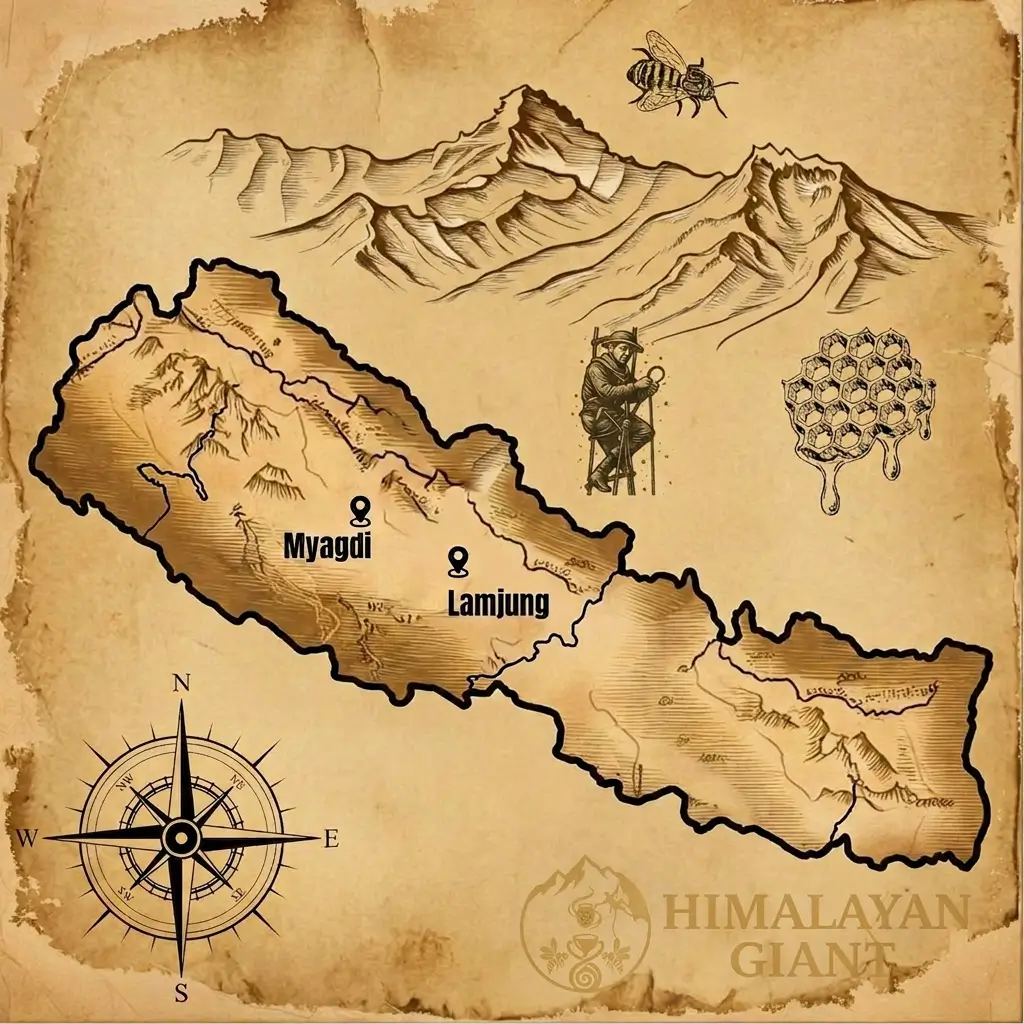
Lamjung and Myagdi. Above 10,000 feet. On the cliffs no farm can reach.